











































 UEFA Nations League
 Super League
 Premier League
 Champions League
 Europa League
 UEFA Conference League
 Bundesliga
 Serie A
 La Liga
 Ligue 1
 Superleague 2
 Κύπελλο Ελλάδας
 Euroleague
 Basket League
 NBA
NBA
 Eurocup
 Basketball Champions League
 Volley
 Tennis
 Πόλο
Πόλο
 Στίβος

Two years after Greek crime reporter Giorgos Karaivaz’s murder, Reporters Without Borders (RSF) urges the Greek authorities to ask Europol to help with the investigation, which has ground to a complete halt. The European criminal police agency could not only provide technical assistance but also ensure that the investigation is independent, RSF says.
Despite promises that the investigation would be “accelerated” and would be an “absolute priority,” the Greek authorities have yet to arrest anyone in connection with the murder of Giorgos Karaivaz, who was gunned down outside his Athens home on 9 April 2021 in what had all the hallmarks of a contract killing.
Five months after his murder, the police had lists of suspects, statements, security camera footage and details of phone calls. But since then, the authorities have revealed no information indicating any significant progress in the investigation.
An almost total absence of transparency now surrounds the investigation. In October 2021, the authorities said that “under Greek relevant legal framework (...) preliminary investigation is confidential.” But the recommendation on the safety of journalists that the Europe Commission adopted in September 2021 requires the “transparency” of “investigations and prosecutions of crimes against journalists.”
At no point is there any reference to Karaivaz’s murder in the Greek government’s report on its compliance with the European recommendation, which was drafted in March and which RSF has seen.
"Do the Greek authorities have something to hide about the murder of a reporter who specialised in police corruption? It is unusual in Europe to see an investigation of this kind make so little progress. If Greece really wants to support European initiatives in defence of press freedom, it should bring Europol into the investigation immediately and fully, so that the European criminal police agency can provide its technical expertise and ensure that it is conducted in an independent manner.
Following an appeal by RSF in 2022, a European parliamentary delegation visited Greece last month and, on finding no “visible progress in the police investigation” into Karaivaz’s murder, urged the Greek authorities to seek Europol assistance “without further delay.”
Europol, which can take action only with the agreement of a nation’s authorities, was invited by Malta and Slovakia to assist the investigations into Maltese journalist Daphne Caruana Galizia’s murder in 2017 and Slovak journalist Jan Kuciak’s murder in 2018. As a result, within approximately two years of their deaths, the presumed instigator of Caruana Galizia’s murder had been arrested and the person accused of ordering Kuciak’s murder had been tried.
Pavla Holcova, a Czech investigative journalist who worked with Kuciak, told RSF that the Slovak police investigators realised that, in Europol, “they have not only partners in the investigation but also someone to cover their backs” in the event of strong political pressure to block the investigative efforts or to conceal or “misplace” evidence.
Like Kuciak and Caruana Galizia, Karaivaz reported – for his blog Bloko.gr and for Star TV – on the links between the state and organised crime, including corruption within the Greek police. His claims, which he had threatened to describe in detail to the courts prior to his murder, have been confirmed by several revelations in the past few months.
A confidential police report containing evidence of connections between certain police officers (some of them high-ranking), politicians and organised crime networks was leaked to the media in February.
A few weeks later, several Greek investigative journalists reported that, in April 2022, Brigadier-General Dimitris Davalos, a police officer suspected of cooperating with organised crime, was appointed police security director, one of the most important posts for the fight against organised crime. They also reported that, a few days after this promotion, Davalos fired the heads of the homicide and extorsion departments and asked to be informed directly about progress in investigations into the “Greek mafia,” in violation of internal police regulations.
Greece is ranked 108th out of 180 countries in RSF's 2022 World Press Freedom Index.
Source: Reporters without Borders
Υποψηφιότητα Κόντη για μεγάλη ελληνική ομάδα - Γιατί έφυγε ο πικραμένος Ποντένσε από Ολυμπιακό
Ο επόμενος προπονητής που φέρνει ο Σαββίδης, ο νέος ρόλος του Σάντος και πότε οι ανακοινώσεις!
Παίζει δυνατά το όνομα του Λέτο - Η λεπτομέρεια που θα κάνει τη διαφορά
Ο λόγος που η Τσαρούχα δεν πήγε στη φυλακή - Τι απαγορεύεται ρητά από τον Εισαγγελέα
"Ο Γιαννακόπουλος απειλεί τον Μπαρτζώκα με επίθεση - Χυδαία ψεύδη για Ολυμπιακό-Τσαρούχα"!
"Φρένο" σε Ολυμπιακό για Πουλακίδα - Συμφώνησε με ομάδα έκπληξη!
Τελευταία Νέα
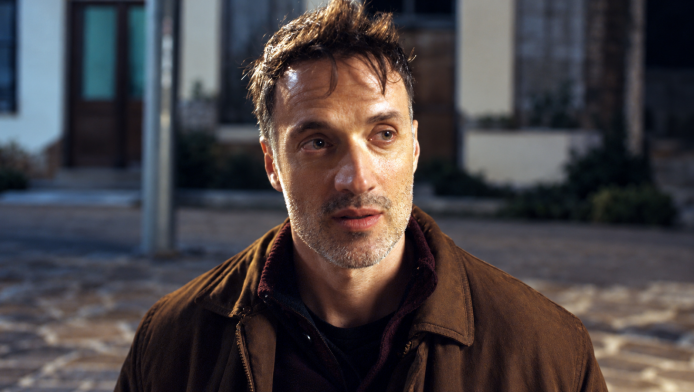
Από το μηδέν στην αποθέωση: Η ελληνική σειρά που σαρώνει στο Ertflix είχε πατώσει όταν έπαιζε στην ΕΡΤ
Κάποια στιγμή θα το μάθουνε όλοι, πού θα πάει. Θα προσαρμοστούν, θ...
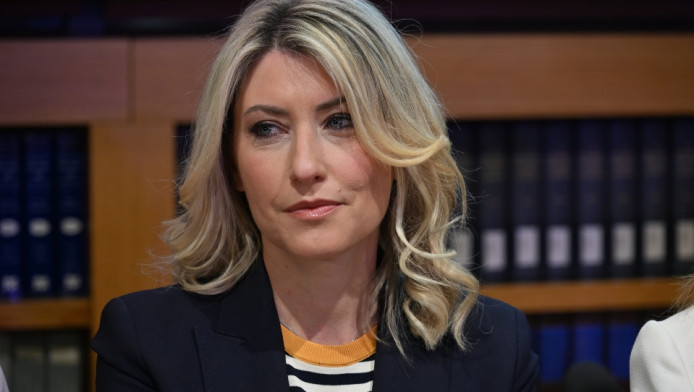
Μετά τον ΑΝΤ1: Το νέο επαγγελματικό βήμα της Σίας Κοσιώνη
Η Σία Κοσιώνη δεν το βάζει κάτω. Της άρεσε την πρώτη φ...
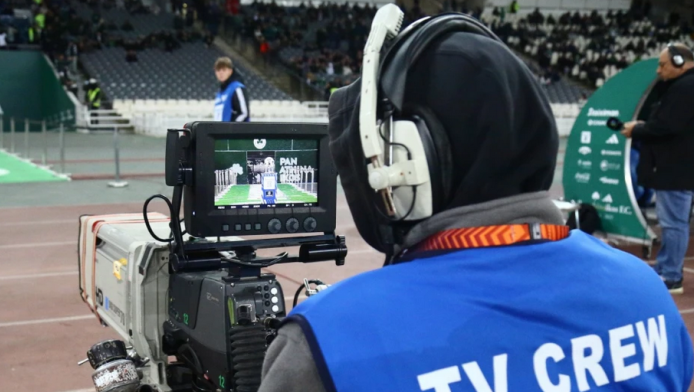
Αυτές είναι οι σημερινές αθλητικές τηλεοπτικές μεταδόσεις (26/10)
Οι αθλητικές μεταδόσεις της ημέρας (26/10): Πού θα δ...
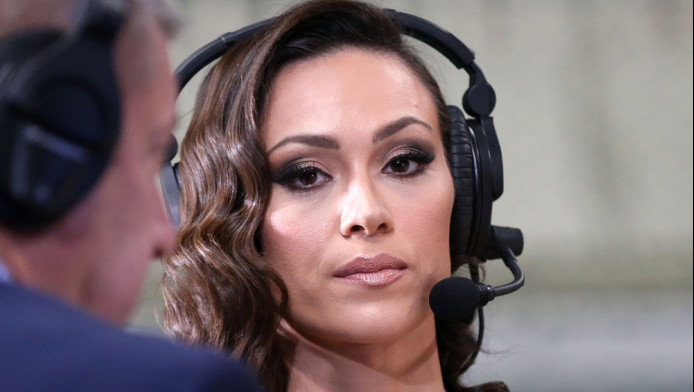
Μόνο αυτή: Κάνει διεθνή "καριέρα" η Δώρα Παντέλη! (ΦΩΤΟ)
Ας μην ανησυχεί το ανδρικό φύλο της χώρας: όχι, δε μας ε...
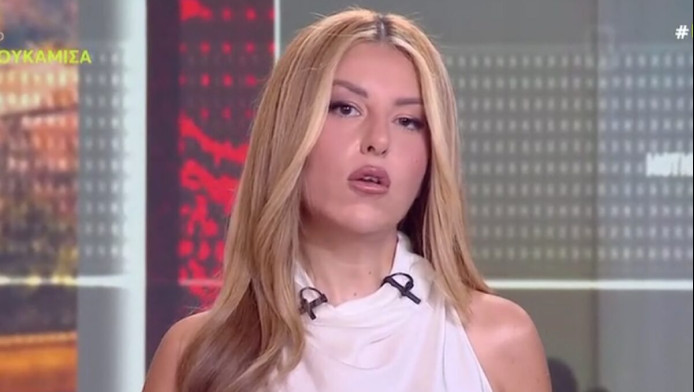
«Εξαιρετική μεταγραφή ο Μαρινάκης, του το είχα πει» - Άφησε άφωνη την Γιάμαλη στο MEGA (Vid)
Αφού ολοκληρώθηκε η συνέντευξή του στο MEGA και λίγο π...
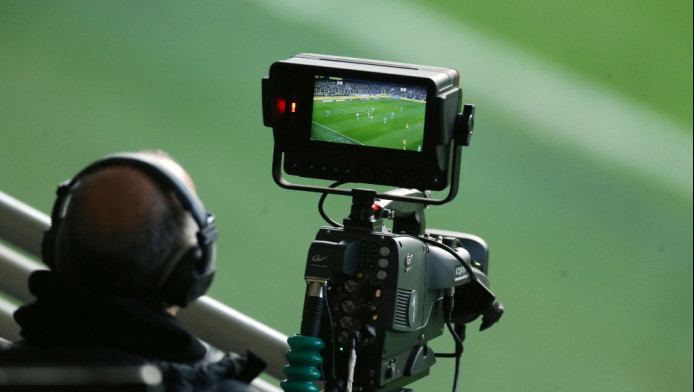
Πού θα δούμε Ολυμπιακό, ΠΑΟ και ΠΑΟΚ - Όλες οι αθλητικές μεταδόσεις της ημέρας
Oι αναμετρήσεις για την 8η αγωνιστική της Super League και τ...

Μαρία Μπέη: Η μαγείρισσα του MasterChef έγινε... κορμάρα στο Instagram (ΦΩΤΟ)
Η Μαρία Μπέη είχε εμφανιστεί για πρώτη φορά στο MasterChef τ...
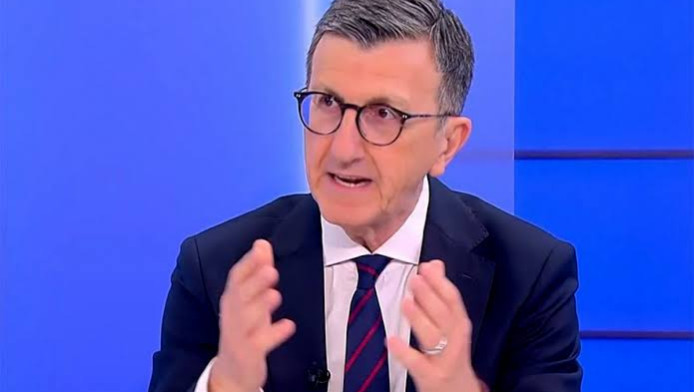
Παρέμβαση ΕΣΡ για την προσβλητική ατάκα του Άρη Πορτοσάλτε - Δείτε τι είπε! (ΒΙΝΤΕΟ)
Η αναφορά του προκάλεσε τρομερές αντιδράσεις και την π...
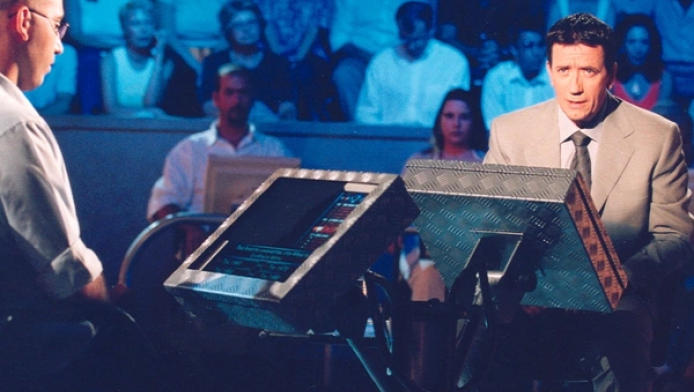
Ο καλύτερος παίκτης που έχει εμφανιστεί ποτέ στην Ελλάδα σε τηλεπαιχνίδι γνώσεων (Vid)
Βρήκε την τελευταία ερώτηση και έφυγε από το παιχνίδι γ...
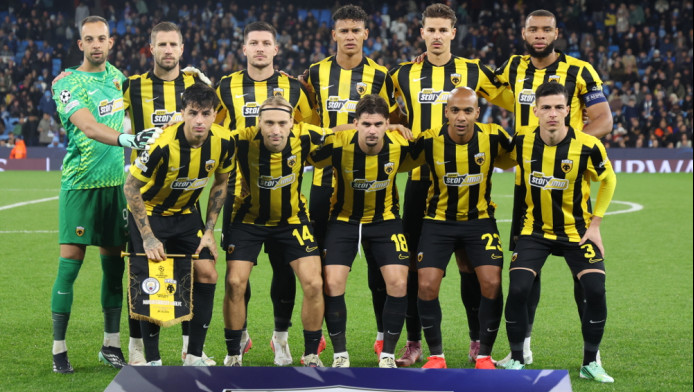
Μεταδόσεις (24/10): Πού θα δούμε το ΠΑΟΚ-ΑΕΚ στο μπάσκετ και το ΑΕΚ-Παναιτωλικός
Οι αθλητικές μεταδόσεις της ημέρας (24/10): Πού θα δούμε τ...